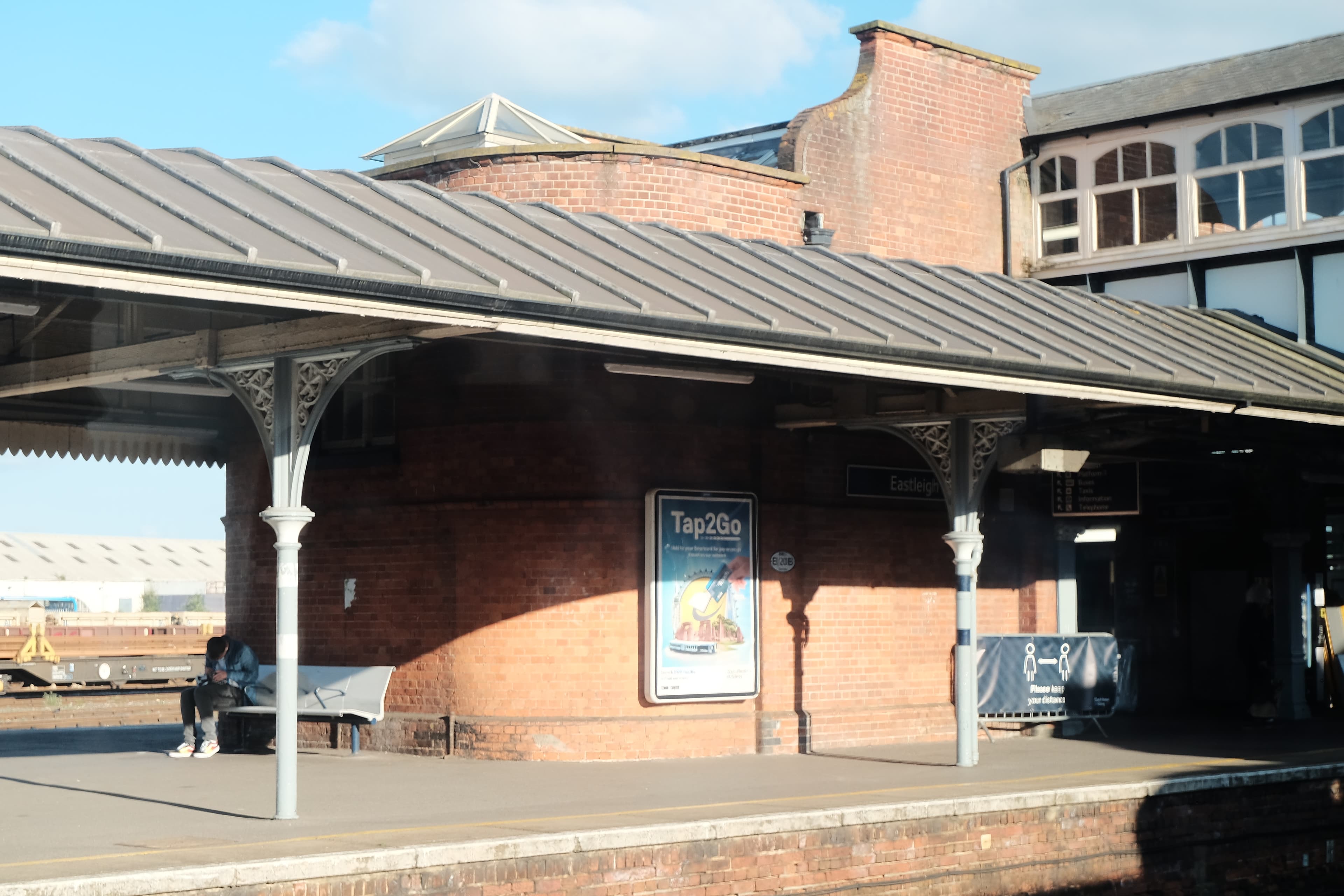
Eastleigh's Railway Heritage: From the Locomotive Works to the Spitfire
Eastleigh was built by the railway and shaped by it. From the Victorian locomotive works to the first Spitfire flight from the town's aerodrome — a guide to local railway and aviation heritage.
Few English towns owe more to the railway than Eastleigh. The London and South Western Railway chose to relocate its carriage and wagon works to the area in 1889, and then its locomotive works in 1909. The town that exists today — its layout, its character, and much of its housing stock — is a direct product of that decision.
---
How the Railway Built Eastleigh
Before the 1880s, Eastleigh (then known as Bishopstoke) was a small village. The L&SWR chose the area for its new works primarily for its rail access and flat land. The company built not just a factory, but streets of housing for its workers — a whole working town laid out on a grid around the works.
At its peak in the early 20th century, the Eastleigh works employed thousands of people. Steam locomotives built or overhauled here served the L&SWR network across the south of England. After the railways were nationalised in 1948, the works continued under British Railways and then British Rail Engineering Ltd.
The locomotive works eventually closed, but the railway heritage remained embedded in the town's identity.
---
What You Can See Today
Steam Town Brew Co at 1 Bishopstoke Road occupies a restored Victorian railway shed — one of the original buildings from the works complex. The brewing equipment is visible as you drink. The building itself is the most tangible link to the town's railway past. If you visit one place to understand Eastleigh's heritage, this is it.
Eastleigh Lakeside Steam Railway at Lakeside Country Park (Wide Lane) operates a miniature steam railway on summer weekends and during school holidays. It's not a heritage railway in the full sense — it's a leisure attraction — but it's a genuinely enjoyable piece of living steam heritage that keeps the tradition alive for children.
Eastleigh station itself, while not a particularly distinguished piece of architecture, sits at the junction of the Eastleigh–Southampton mainline and the Eastleigh–Fareham line — a reminder that this is still a railway town.
---
The Spitfire Connection
Eastleigh's second claim to aviation fame is equally significant: the first flight of the Supermarine Spitfire.
On 5 March 1936, test pilot Captain Joseph 'Mutt' Summers lifted prototype K5054 off the grass of Eastleigh Aerodrome and flew it for the first time. The Spitfire would go on to become arguably the most important aircraft of the Second World War.
Eastleigh Aerodrome is now Southampton Airport — today an international airport, still serving the town it was built beside. The connection to the Spitfire is one of the reasons why several local businesses — including a pub and the football club — use 'Spitfire' in their branding.
The Supermarine factory that built the prototype was in Woolston, Southampton, but it was from Eastleigh's aerodrome that K5054 first flew.
---
The Railway Museum (closed)
The Eastleigh Railway Museum, which occupied part of the former works site, closed some years ago and its exhibits were dispersed. If you are interested in visiting a working railway museum in the region, the National Railway Museum at York or the nearby Watercress Line (Alresford, 15 minutes away) are the nearest alternatives.
---
The Name 'Wagon Works'
The local Wetherspoon pub — The Wagon Works at 28 Southampton Road — takes its name directly from the railway works heritage, and is one of the more historically considered pub name choices in Eastleigh.
Information checked May 2026.
Share this article